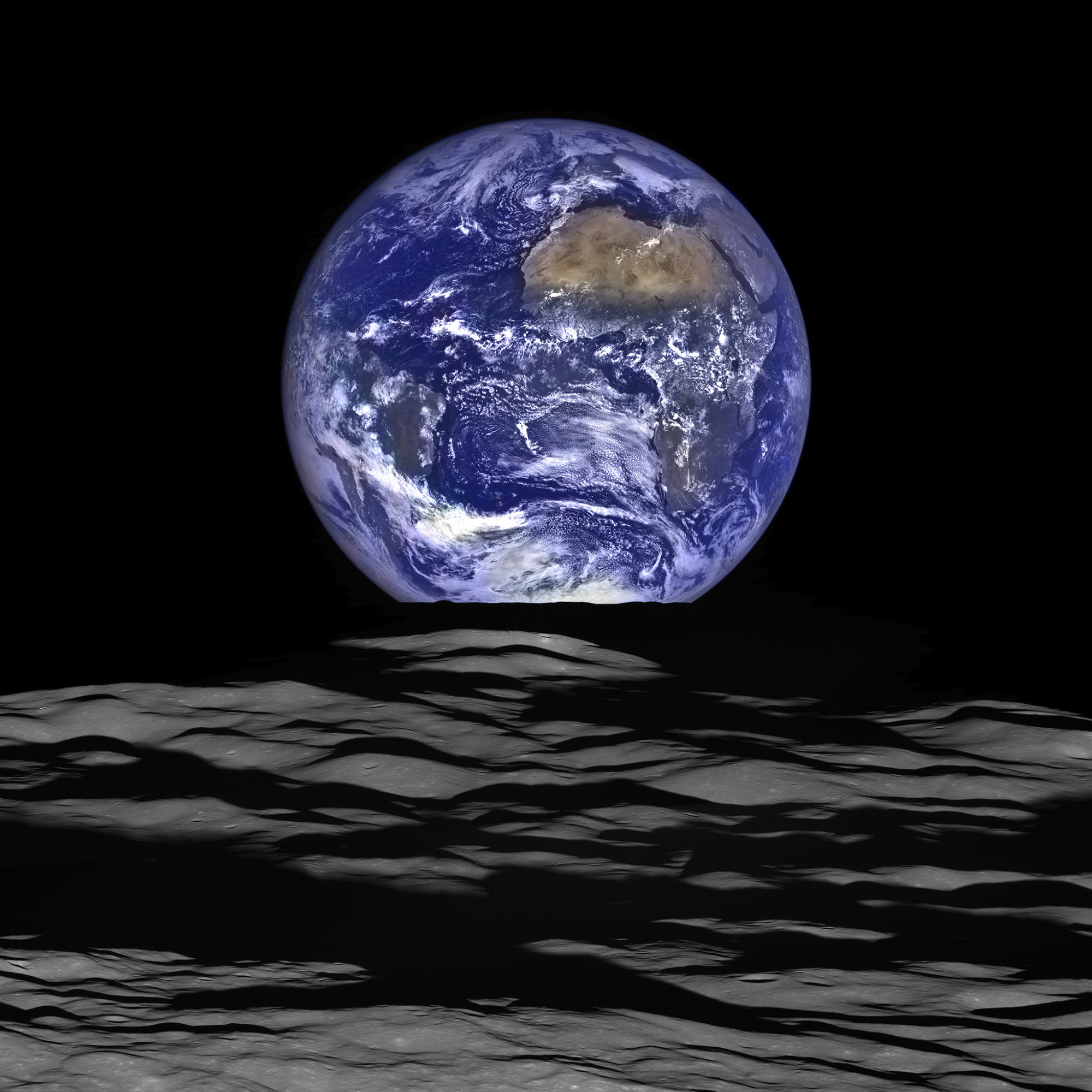
Course Title: Space Exploration History
Course Description: This course aims to provide students with a comprehensive understanding of the history of space exploration, from its early beginnings to the present day. Students will learn about the major milestones, key players, and technological advancements that have shaped the field of space exploration.
Course Objectives:
- Understand the early history of space exploration, including the origins of spaceflight and the early space programs of the 20th century.
- Learn about the major milestones in space exploration, such as the launch of Sputnik, the first crewed space missions, and the landing on the Moon.
- Understand the role of international cooperation in space exploration, including joint missions between different countries and the establishment of the International Space Station.
- Explore the future of space exploration, including plans for manned missions to Mars, the development of space-based industries, and the search for extraterrestrial life.
- Develop an appreciation for the scientific, technological, and societal impacts of space exploration.
Course Outline:
Week 1: Introduction to Space Exploration History
- Origins of Spaceflight: Early visions of space exploration, the role of science fiction, and the contributions of visionaries like Konstantin Tsiolkovsky and Robert H. Goddard.
- Early Space Programs: The beginnings of space exploration in the Soviet Union and the United States, including the development of rockets, satellites, and launch vehicles.
Week 2: The Space Race and Early Space Missions
- The Launch of Sputnik: The beginning of the Space Race and its impact on global politics.
- The First Human Spaceflights: Yuri Gagarin’s Vostok 1 mission and Alan Shepard’s Freedom 7 flight.
- The Race to the Moon: The development of the Apollo program and the Moon landing.
Week 3: Post-Apollo Space Exploration and International Cooperation
- The Space Shuttle Program: The development and history of the Space Shuttle, and its role in low Earth orbit missions.
- The International Space Station: The collaboration between countries to build and operate a permanent space station in orbit.
- The Hubble Space Telescope: The launch and operation of the Hubble, and its contributions to astronomy.
Week 4: Planetary Exploration and Beyond Earth Orbit
- Robotic Exploration of the Solar System: The history of unmanned missions to the Moon, Venus, Mars, and other planets.
- Mars Rover Missions: The development and success of rovers like Sojourner, Spirit, Opportunity, Curiosity, and Perseverance.
- The Search for Life Beyond Earth: The search for habitable environments on other planets and moons, and the potential for extraterrestrial life.
Week 5: Commercial Space Exploration and the Future of Space Travel
- Commercial Spaceflight: The development of private companies like SpaceX, Blue Origin, and Virgin Galactic, and their role in space exploration.
- Plans for Mars Colonization: NASA’s Artemis program and other plans for manned missions to Mars.
- The Role of Space-Based Industries: The potential for space-based industries, such as satellite manufacturing, space tourism, and mining asteroids.
Week 6: Societal Impact of Space Exploration
- Technological Advancements: How space exploration has driven technological innovation in various fields, including materials science, medicine, and telecommunications.
- Scientific Discoveries: The impact of space exploration on our understanding of the universe, Earth’s climate, and the potential for life elsewhere.
- Cultural Influence: The influence of space exploration on science fiction, popular culture, and public perceptions of space.
Week 7: Ethics and Responsibility in Space Exploration
- Ethical Considerations: The ethical challenges of space exploration, including the ownership of space resources, the impact on the environment, and the potential for conflict.
- Responsible Space Exploration: Efforts to ensure that space exploration is conducted in a sustainable and environmentally responsible manner.
- Public Awareness and Engagement: The role of education and public outreach in promoting space exploration and increasing public understanding.
Week 8: Space Exploration in the 21st Century and Beyond
- Recent Advances in Space Exploration: The latest developments in space exploration, including the James Webb Space Telescope, new Mars rover missions, and plans for space stations on the Moon.
- Future Prospects: The potential for new discoveries and technological breakthroughs in the coming decades, and the role of space exploration in shaping the future of humanity.
- Discussion on Future Missions and Exploration Goals: A class discussion on possible future missions, exploration targets, and potential challenges.
Assessment:
- Homework assignments (30%)
- Midterm exam (25%)
- Final exam (30%)
- Class participation and discussion (15%)
This course by CAPRONE provides a comprehensive overview of space exploration history, covering key milestones, technological advancements, and societal impacts. Students will develop an appreciation for the scientific, technological, and cultural significance of space exploration, preparing them for a career in STEM.